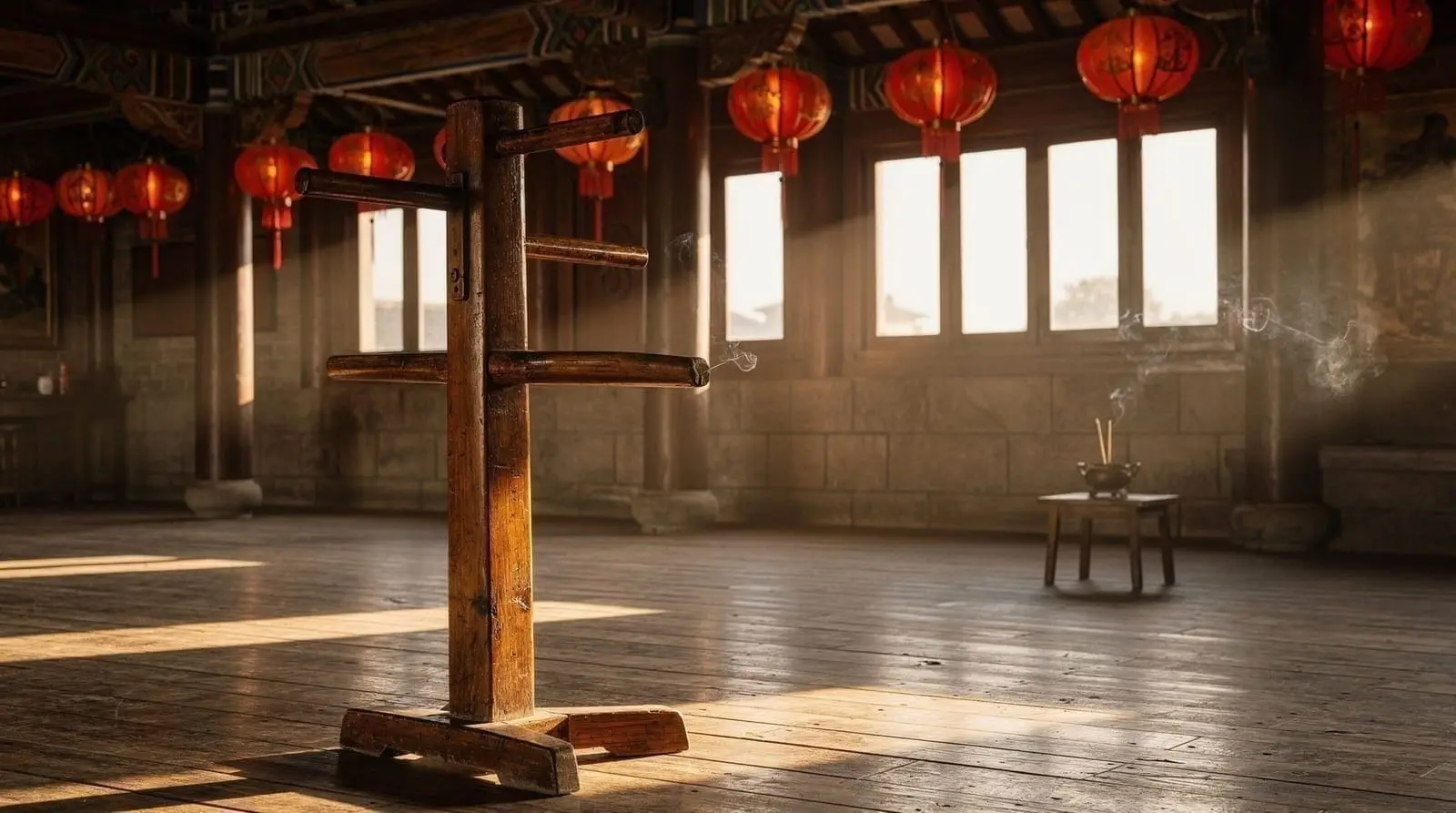
Foshan kung-fu and Lingnan culture: the complete day-trip guide
How do you get to Foshan from Shenzhen or Guangzhou, and what should you see?
From Guangzhou South station, Foshan is 15 minutes by high-speed rail. From Shenzhen, take the HSR to Guangzhou South (30 min) then change. Visit Zumiao (Ancestral Temple), Nanfeng Ancient Kiln, and take a Wing Chun or lion dance class for a full-day cultural experience.
Foshan does not look like a martial arts city when you arrive at its sleek high-speed rail station. Malls, towers, ceramics showrooms — it resembles any prosperous Guangdong city. But walk 20 minutes east into the old Zumiao neighbourhood and you reach the birthplace of Wing Chun kung-fu, the home city of Bruce Lee’s father, and a living tradition of Cantonese lion dance that draws practitioners from across Southeast Asia. Add one of China’s best-preserved ancient kilns and a ceramics heritage stretching 1,000 years, and Foshan earns a full day away from the Shenzhen–Guangzhou corridor.
| Where | Foshan, 15 min from Guangzhou South by HSR |
| Getting there from Shenzhen | HSR via Guangzhou South, ~60–75 min total |
| Cost | Zumiao + Ip Man Hall CNY 20; Nanfeng Kiln CNY 30 |
| Time needed | Half-day for the essentials; full day with Shunde food |
| Best for | Wing Chun history, Cantonese lion dance, ceramics |
Why Foshan matters for martial arts history
Wing Chun’s most famous practitioner, Ip Man (Yip Man), was born in Foshan in 1893 and began training there. The lineage he taught produced Bruce Lee. Today the city maintains a cluster of Ip Man-related sites: the Ip Man Memorial Hall (free entry, inside Zumiao scenic area), a full-scale recreation of his family residence, training hall, and museum tracing how Wing Chun spread from Foshan to Hong Kong and globally.
Beyond Wing Chun, Foshan is home to Hung Gar, Choy Li Fut, and Dragon style kung-fu, all practising in schools concentrated in the Zumiao and Chancheng districts. The city also originated the Cantonese lion dance tradition — the red-and-gold lion head style used in Lunar New Year parades worldwide was first developed here.
Getting to Foshan
From Guangzhou
High-speed rail from Guangzhou South to Foshan West: 10–15 minutes, CNY 20–30. Frequent departures. Alternatively, Guangzhou Metro Line 2 connects to Foshan Line 2 directly — the inter-city metro is the cheapest option (CNY 5–8, ~40 min).
From Shenzhen
Take the Shenzhen–Guangzhou HSR (Shenzhen North → Guangzhou South: 30 min, CNY 78), then transfer to Foshan. Total journey: ~60–75 minutes.
From Hong Kong
West Kowloon station → Guangzhou South by HSR: 50 minutes. Then transfer. Total: ~90 minutes. A convenient option given the direct Guangzhou service.
Day trip: Guangzhou and Foshan by metro — food and cultureWhat to see in Foshan
Zumiao (Ancestral Temple) and Ip Man Memorial Hall
The Zumiao Temple complex, dedicated to the god Beidi (True Martial Lord), dates from the Song Dynasty (960–1279). Entry CNY 20 (includes the Ip Man Hall). Open 08:30–18:00 daily. The main hall’s roof is covered in Shiwan ceramic figurines — warrior scenes, dragons, immortals — a defining example of Cantonese decorative craft. The Ip Man Memorial Hall inside the grounds is thorough and bilingual; allow 45–60 minutes.
The adjacent Foshan Ancestral Temple Cultural Tourism District includes the Guangdong Folk Arts Museum and several restored shophouses with craftspeople demonstrating paper-cutting, shadow puppetry, and dragon embroidery.
Nanfeng Ancient Kiln (South Wind Ancient Stove)
Operating continuously for 500 years, the Nanfeng kiln (open 09:00–17:30, CNY 30) is the world’s oldest continuously burning ceramics kiln. You can watch ceramicists at the kick wheel, load saggers into the wood-fired dragon kiln, and fire your own piece for CNY 40–80 in the visitor workshop. The adjacent museum traces Foshan’s role in supplying temple decoration, export porcelain, and architectural tiles to China and Southeast Asia for centuries.
Shiwan (the ceramics district) is 3 km west of Zumiao; taxi CNY 15, or 15 minutes by metro.
Lingnan Tiandi (Lingnan Sky)
A restored Qing-dynasty merchant quarter, now a pedestrian shopping and dining zone. Architecturally impressive — white-washed walls, carved wooden eaves, lotus-pond courtyards — though the tenants lean toward upscale cafés and fashion boutiques rather than heritage businesses. Worth a 45-minute walk between Zumiao and lunch.
Shunde (Shunde District)
If Foshan is known for one thing among food-obsessed Chinese, it is Shunde cuisine: the original source of Guangdong’s claim to culinary fame. Shunde is an hour by metro from central Foshan (Ronggui station). Key dishes: raw fish slices (living fish ceviche), double-skin milk (a silky steamed dessert), crispy suckling pig, and stir-fried water snake. The main market street near Daliang old town is worth the detour for a proper Cantonese lunch; budget CNY 80–150 per person at a sit-down restaurant.
Guided Shunde foodie day trip with lunchKung-fu classes and cultural experiences
Several schools in Foshan welcome foreign visitors for short courses or demonstration sessions:
Wing Chun classes: The Ip Man Wing Chun Martial Arts Association (near Zumiao) offers CNY 150–300 half-day introductions in English. Book via their WeChat page (search 叶问咏春). No experience required.
Lion dance workshops: The Foshan Lion Head Handicraft Workshop near Shiwan offers a 90-minute lion dance taster session (CNY 200 per person, minimum 2). You learn basic footwork and shoulder the lion head. Sessions must be pre-booked.
Guided cultural day tours combine the temple, kiln, and a kung-fu demonstration into a single itinerary — the most efficient option for a day trip from Guangzhou or Shenzhen.
Private Foshan day tour: kung-fu, lion dance, and Ip Man sitesLingnan architecture and ceramics
Foshan’s Shiwan district is the centre of Guangdong’s architectural ceramics industry. The distinctive figures you see on temple and ancestral-hall rooftops across the PRD — the glazed warriors, dragons, phoenixes, and immortals in vivid green, yellow, and blue — originate here. Several studios let visitors watch the process and buy finished pieces. Prices range from CNY 50 for a small figure to CNY 500+ for large roof ornaments.
For broader Lingnan context, the Guangzhou travel guide covers Chen Clan Academy and Xiguan architecture, which share the same design vocabulary. The day trips from Shenzhen guide situates Foshan within a PRD loop.
Where to eat in Foshan
Morning: Dim sum at Wanjiali (万家利) on Zumiao Road — locals queue from 07:00. Har gow and char siu bao are reliably fresh. CNY 30–50 per person.
Lunch: In Lingnan Tiandi, Jiangnan Shaoting (江南小筑) serves Shunde-influenced Cantonese in a courtyard setting; CNY 80–120 per person. Better value options cluster along the market streets south of the temple.
Snacks: Deep-fried savoury Shuijiao (water dumplings) from street carts outside Zumiao, CNY 5–8 for four. Jianbing (egg crepe) vendors set up on the pedestrian lanes by 08:00.
Combining Foshan with Guangzhou
Most visitors pair Foshan with Guangzhou on the same day: morning in Foshan (Zumiao + kiln), afternoon in Guangzhou (Chen Clan Academy or Canton Tower). The metro link between the two cities makes this seamless. See the Guangzhou travel guide and the Guangzhou–Shenzhen foodie itinerary for multi-day planning.
The Kaiping diaolou watchtowers are 2 hours southwest of Foshan by coach — a logical add-on for a second day in the western Pearl River Delta.
Foshan furniture and ceramics design scene
Beyond the historical craft, Foshan has a contemporary design dimension that attracts architects and interior designers. The Ceramic City (佛山陶瓷城) in Chancheng district is 3 km of continuous showrooms selling architectural ceramics, tiles, and bathroom fixtures — this is where interior designers from across China source materials, and prices are manufacturer-direct. Even without buying, it provides a fascinating look at Guangdong’s industrial design output.
The district also hosts China Ceramics (中国陶瓷城), the country’s largest ceramics trade fair (held twice yearly, March and July), which brings 50,000+ buyers and represents almost every Chinese ceramics brand. The Shiwan ceramics factory tours (separate from the Nanfeng kiln, multiple small studios in the Shiwan neighbourhood) let you watch modern industrial ceramic tile production alongside traditional stoneware.
The Foshan food universe
Foshan and the surrounding Shunde/Nanhai/Sanshui district form a culinary region known in Chinese as Guangdong Sige Tianwang zhi Shunde — “Shunde, the Cantonese King of Food.” This is not marketing copy; Chinese chefs, culinary historians, and food writers consistently rank Shunde (the Foshan district specialising in traditional Cantonese cooking) as the highest culinary expression of Guangdong’s food culture.
Several dishes considered classics of Cantonese cooking originated specifically in Foshan and Shunde:
Double-skin milk (双皮奶): A silky two-layered steamed dessert using buffalo milk — the outer skin of boiled milk is skimmed, the milk steamed again, and the first skin returned to float on top. Originally from Daliang, Shunde; now served across Hong Kong and southern China. The original shops in Daliang charge CNY 12–18 per cup.
Gold and silver egg stir-fry (金银蛋炒时蔬): A signature Shunde dish — salted duck egg, fresh egg, and seasonal vegetables stir-fried together. The technique is simple; the quality depends entirely on using good salted eggs. Price at local restaurants CNY 30–50.
Slow-braised pork intestine: A confidence test for visitors — delicately spiced braised large intestine served in a clay pot. Foshan variants are milder than the Chaoshan version. CNY 30–60.
Morning yum cha in Foshan: The Cantonese yum cha (飲茶) morning tea tradition is still practised in its most traditional form in Foshan. Restaurants open from 06:30; regulars arrive with newspapers, birdcages, and elderly relatives. The culture of spending 2–3 hours over tea and small dishes, refilling the pot repeatedly, is more relaxed than Hong Kong’s busier dim sum pace.
Foshan’s industrial legacy and football
Foshan is often overlooked as a footballing city, but it hosts the Guangdong Rong Cheng F.C. and has produced several Chinese national team players. The city’s stadium (Foshan Football Centre, capacity 28,000) opened in 2019 and occasionally hosts CSL (Chinese Super League) matches. This is a minor sidebar but worth noting for sports-oriented travellers.
Foshan’s manufacturing base leans toward lighting equipment, household appliances (Foshan is a major Midea and Galanz production cluster), aluminium products, and furniture. The Shunde district hosts Midea World — a visitor experience at the headquarters of China’s largest home-appliance brand (free entry, self-guided). More interesting than it sounds: the company’s arc from a 1960s plastic-bottle factory to a global appliance giant is well told.
Practical tips
Opening hours: Most Foshan cultural sites close by 17:30–18:00. Plan the kiln in the morning (the dragon kiln fires best light in AM) and temples mid-morning.
Language: Foshan speaks Cantonese as its first language; Mandarin works fine at hotels and tourist sites. English is minimal — bring a translation app.
Crowds: Foshan is primarily a domestic tourism destination. It is rarely mobbed on weekdays. Weekends and public holidays see larger crowds at Zumiao and Lingnan Tiandi.
Currency and payment: CNY only; WeChat Pay and Alipay ubiquitous. Some street vendors are cash-only.
Honest note on tourist experience: Lingnan Tiandi has been criticised for displacing original residents and replacing authentic shops with upscale brands — a pattern visible in similar heritage districts across China. The Zumiao and Nanfeng kiln are genuinely well-maintained heritage sites; Lingnan Tiandi is pleasant but functions more as a commercial district wearing heritage clothes.
Where to stay in Foshan
Foshan has no shortage of business hotels; leisure accommodation is less developed.
Courtyard by Marriott Foshan (Chancheng district, near Zumiao): CNY 700–1,000/night. Closest international hotel to the main sights.
Ibis Foshan Lingnan Tiandi: CNY 350–550/night. Budget-friendly, in the Lingnan Tiandi district, walking distance to Zumiao.
For Shunde food tourists: The cluster of boutique guesthouses in Daliang old town (Shunde) charge CNY 200–400/night and put you in the heart of the food district — a good option if Shunde cuisine is your primary interest.
Foshan as a base for the western PRD
If you have 3–4 days to explore western Guangdong, Foshan makes a logical base:
- Day 1: Zumiao, Nanfeng Kiln, Lingnan Tiandi
- Day 2: Shunde food tour (Daliang, Ronggui markets)
- Day 3: Kaiping diaolou watchtowers (2.5 hours by coach; see Kaiping diaolou watchtowers guide)
- Day 4: Return via Guangzhou (see Guangzhou)
See the Guangzhou–Shenzhen foodie itinerary for a food-focused 4-day structure.
Foshan for visitors extending beyond a single day
If Foshan is one stop on a longer Guangdong loop rather than a single Shenzhen day trip, it slots naturally between Guangzhou and destinations further west such as Dongguan on the eastern side of the delta or the Kaiping watchtowers to the southwest. Visitors building a 4–5 day Pearl River Delta itinerary often find Foshan works better as an overnight base for one night than a rushed day trip layered onto an already busy Guangzhou schedule — it gives breathing room for the Shunde food detour without racing the last train back to Shenzhen.
Visa and transport logistics for the Shenzhen–Foshan route
Foshan sits within the same 24-province zone covered by China’s 240-hour visa-free transit policy, so a day trip from Shenzhen via Guangzhou requires no additional visa paperwork for eligible nationalities already travelling on that policy. The journey itself relies entirely on the Greater Bay Area high-speed rail network — Shenzhen North to Guangzhou South, then a short transfer to Foshan West — making this one of the more logistically simple day trips from a Shenzhen base, alongside Dongguan on the opposite side of the corridor.
When to visit Foshan
Foshan shares the Pearl River Delta’s subtropical climate, so the same seasonal logic from the best time to visit Shenzhen guide applies: October–November and March–April give the most comfortable conditions for walking between Zumiao, the Nanfeng kiln, and Lingnan Tiandi. Because most of Foshan’s key sites (temple halls, kiln workshop, museum) are at least partially covered or indoor, Foshan holds up better than purely outdoor destinations during Shenzhen’s hot, humid summer months — though the walking between sites is still more pleasant in cooler weather.
Frequently asked questions about Foshan
Is Foshan worth a full day or just a half-day from Guangzhou?
A half-day covers Zumiao and the Ip Man Hall comfortably. Add the Nanfeng kiln and Lingnan Tiandi and you need a full day. If you want to explore Shunde’s food scene as well, plan two days or stay overnight.
Can I take a Wing Chun class as a total beginner?
Yes. The introductory sessions at schools near Zumiao are designed for tourists with zero experience. You learn basic stances, the Siu Nim Tao form introduction, and dummy work in a 2-hour session. No fitness requirement.
Is the Ip Man Memorial Hall in Foshan or Hong Kong?
The main memorial in his birthplace is in Foshan (inside Zumiao scenic area). There is also an Ip Man Wing Chun Museum in Mong Kok, Hong Kong, focused on his later career in Hong Kong. Foshan’s hall is more comprehensive.
What ceramics can I buy to take home?
Small Shiwan figurines (dragons, arhats, the Goddess of Mercy) fit in carry-on luggage and are genuine Foshan crafts. Avoid oversized pieces unless you plan to ship — airport security is fine with ceramics, but airline weight limits apply.
How does Foshan compare to Guangzhou for a cultural day trip from Shenzhen?
Foshan has a more specific cultural niche (martial arts, ceramics, lion dance) and is less overwhelming than a full Guangzhou day. It is often the better choice if you want depth over breadth. Guangzhou suits visitors interested in Cantonese history writ large and food.
Do I need a separate visa for Foshan if I’m already in Shenzhen on a transit visa?
No. Foshan is within Guangdong province, part of the 24-province zone covered by the 240-hour visa-free transit policy for eligible nationalities — no additional paperwork is needed for a day trip.
Is Foshan better as a day trip from Shenzhen or from Dongguan?
Guangzhou is the more natural hub for reaching Foshan given the direct HSR and metro links; Dongguan does not have a direct connection and would require routing back through Shenzhen or Guangzhou first. If you’re combining both cities on a Pearl River Delta loop, visit them on separate days via Guangzhou rather than trying to link them directly.
Pearl River Delta experiences on GetYourGuide
Verified deep-linked GetYourGuide tours. Book through these links and we earn a small commission at no cost to you.